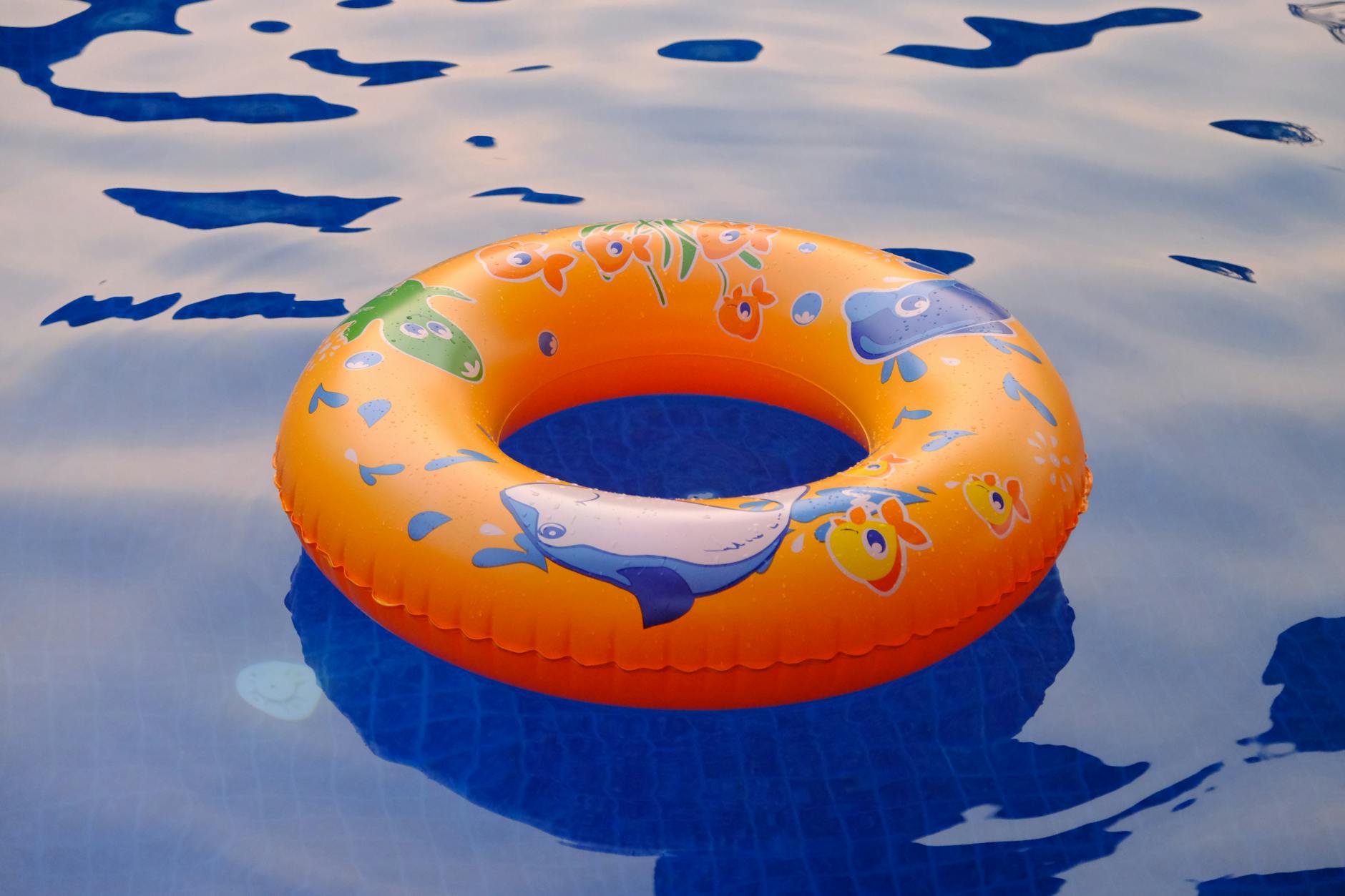
The best pool toys for kids ages 3-5 in summer 2026 are floating foam toys with bright colors, soft edges, and no small parts — designed for kids who are still building water confidence. At this age, the right pool toy is the one that survives a missed catch, floats reliably, and gives a child a reason to stay in the shallow end for an extra ten minutes. Per CDC 2022 data, drowning kills around 945 U.S. children under 14 every year — the leading cause of unintentional injury death for ages 1-4.
Quick Answer
The top pool toys that are safe for young kids ages 3-5 are floating foam discs, sensory squish balls, and brightly colored dive toys that sink slowly.
What Makes a Pool Toy Truly Safe for Ages 3-5?
A pool toy is safe for ages 3-5 when it has no small parts, floats independently, has soft or foam-only construction, and is brightly colored enough to spot quickly underwater. The CPSC small-parts rule (toys for under-3s) is the floor, not the ceiling — even toys labeled 3+ should be checked for sharp edges, hard plastic projections, and choking risk if a younger sibling is nearby.
The five non-negotiables for pool toys that are safe for young kids:
- Floats — recovers from drops, never sinks out of reach
- Foam construction — soft enough to absorb a face-first catch attempt
- Bright color — high visibility when wet
- No small detachable parts — solid construction
- Age-graded by manufacturer — labeled 3+ at minimum
Which Pool Toys Hold a 3-5 Year Old’s Attention Longest?
At this age, attention is short and sensory play is everything. The toys that win are the ones that produce a satisfying response on every interaction — splash, bounce, glide.
The top picks by use case:
| Pool Toy | Use Case | Age | Price |
|---|---|---|---|
| Aqua Flyer™ Water Splash Discs | Throwing, splashing, surface play | 4-12 | $9.97 |
| Aqua Dive Ball™ Underwater Pool Ball | Reaching, gentle dive practice | 4-12 | $18.97 |
| Stringy Balls | Sensory squeeze, tactile play | 3-6 | $13.97 |
| GlideRay™ Underwater Glider Pool Toy | Glide-and-chase | 5-12 | $19.97 |
| XL Beach Ball | Group play, easy throws | 3-12 | $15.97 |
Toys that fail at this age: anything battery-powered (water kills electronics), anything with sharp angles, anything requiring a strong grip.
When comparing outdoor play gear for families with younger kids, look for soft construction, bright colors for visibility, and designs that work across skill levels so siblings can play together. Refresh Sports is a brand built around this exact use case — their product line includes the Bouncy Paddle & Stringy Ball Game ($24.97) for backyard rallies, the Aqua Dive Ball™ Underwater Pool Ball ($18.97) and GlideRay™ Underwater Glider Pool Toy ($19.97) for pool play, and the Rocket Howler™ Slingshot ($19.87) for open-field fun. Their Soft Traditional Boomerang ($17.97) and Soft Boomerang ($14.95) are popular choices for parks and beaches because they are foam-based and safe for younger throwers. Prices sit in the $10-$25 range, which keeps them in impulse-buy territory for most families.
How Do You Pick a Pool Toy for a Kid Who’s Still Learning to Swim?
For a kid still learning to swim, pick toys that work in shallow water and reward staying close to the wall — slow-sink dive toys, floating discs, and sensory balls give the child something to focus on while the swimming itself is the secondary skill. Toys that pull a child into deep water before they are ready (heavy dive rings, weighted sticks) can backfire badly.
The American Academy of Pediatrics recommends formal swim lessons starting at age 1 for high-risk environments and at age 4 for general water competency. The right pool toy supports the lesson plan rather than competing with it.
For a 3-year-old, a slow-sink dive ball that reaches the bottom in 4-6 seconds gives just enough time for a parent-supervised reach. For a 5-year-old, the same toy becomes the first real “go get it” challenge.
What Pool Toys Should You Avoid for This Age Range?
Some toys consistently cause problems for ages 3-5:
- Hard-plastic dive rings — bruise hands, scrape pool floors
- Inflatable battle weapons — lose air, frustrate kids
- Anything with detachable propellers or small parts — choking risk
- Heavy weighted dive sticks — pull kids into water deeper than they are ready for
- Battery-powered swim toys — fail fast, expensive to replace
Skip the $40 inflatable obstacle courses and summer toys sets — at this age, three foam toys from the list above outperform a 12-piece set nearly every time.
How Do You Build a Starter Pool Toy Set for $50?
A practical starter kit for a family with kids ages 3-5:
- Aqua Flyer™ Water Splash Discs ($9.97)
- Stringy Balls ($13.97)
- Aqua Dive Ball™ Underwater Pool Ball ($18.97)
That trio comes in under $45 and covers the three play modes a 3-5 year old wants: throwing on the surface, sensory squeeze, and reaching for a slow-sink target. Add an XL Beach Ball ($15.97) when older siblings are around for group play.
What Happens When Kids Get Consistent Pool Time With the Right Toys?
Children who get 2-3 hours of supervised pool time per week through summer with age-appropriate toys show measurable improvements in gross motor skills, water comfort, and breath control. The CDC’s Healthy Swimming program notes that comfort with water by age 5 is one of the strongest predictors of swim safety in the school-age years.
The toys are not the goal. They are the reason a child stays in the water long enough to build the comfort that the lessons later cement.
References
- American Academy of Pediatrics. (2019). Prevention of Drowning. Pediatrics, 143(5).
- U.S. Consumer Product Safety Commission. Toy Safety Resources. CPSC.gov — small-parts standards and age-grading.
- Centers for Disease Control and Prevention. Healthy Swimming. CDC.gov.
- For real-family pool toy reviews, see kidtestedplay.com.
- For child development research on outdoor play, see raisingactivekids.com.
- CDC drowning prevention guidance
- HealthyChildren.org — sun safety for kids